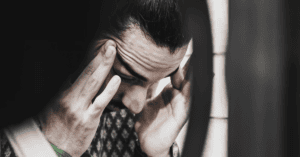
Every year on March 6th, Black Balloon Day calls attention to lives lost to overdose. It is a day of remembrance, but it is also a day of reckoning. Overdose does not happen in isolation. It sends shockwaves through families, workplaces, schools, and entire communities. We must ask not only who overdose affects, but how those effects ripple outward long after the headlines fade.
The Individual
At the center is a person. Someone with a history, relationships, strengths, flaws, and unrealized plans. Overdose, though sometimes the result of one terrible mistake, is usually the result of a complex interaction between substance use, mental health conditions, trauma, stigma, and access to care. It is the final point in a long chain of untreated pain.
Their story is sometimes reduced to the substance involved or conduct that took place in active addiction. That reduction strips away the humanity that Black Balloon Day seeks to restore.
The Parents
For many parents, the loss of a child to overdose is a grief unlike any other. It often carries layers of guilt, unanswered questions, and replayed memories. Parents may revisit every conversation, every boundary set or not set, every opportunity for intervention.
There is also the grief of lost milestones. Weddings not attended. Grandchildren never born. Holidays that will never feel the same again.
This kind of loss alters identity. A parent who loses a child does not return to who they were before. The grief becomes something they learn to carry.
The Siblings
Siblings frequently experience a complicated grief that is less visible. They may feel pressure to stay strong for their parents. They may struggle with anger, regret, or survivor’s guilt. Some wrestle with the fear that addiction could affect them as well.
The sibling relationship is lifelong. When overdose ends that relationship, it leaves a gap that cannot be replaced.
The Children Left Behind
When a mother or father dies from overdose, children inherit a loss they may not fully understand. They may face instability, changes in guardianship, or silence around what happened.
Without open dialogue and support, that silence can turn into shame. Breaking that cycle requires honesty, age-appropriate conversation, and community support.
The Friends and Community
Friends often carry private grief. They may question whether they missed signs or could have done more. Communities feel the cumulative weight of repeated losses. Schools, workplaces, faith communities, and neighborhoods all absorb the impact.
Over time, overdose deaths can create a sense of collective trauma. They also expose the urgency of prevention and accessible treatment.
How the Impact Endures
The effects of overdose loss are not confined to the days or weeks following a death. They can include:
- Prolonged and complicated grief
- Increased anxiety or depression among surviving loved ones
- Strained family relationships
- Financial stress related to funeral costs or lost income
- A lasting fear of additional loss within the family
Grief does not follow a schedule. Anniversaries, birthdays, and ordinary moments can reopen wounds years later.
Why Black Balloon Day Matters
Black Balloon Day matters because it restores humanity to those who are often reduced to statistics. It allows families to speak names out loud. It acknowledges that addiction is not an abstract issue but a reality that has taken people who were deeply loved.
At Northstar Recovery Center, we recognize that while we work every day to support individuals in treatment, we also serve families who are grieving. Their stories shape our commitment to early intervention, accessible care, and comprehensive support systems.
If you have lost someone to overdose, we see you. If you are grieving, you are not alone. And if you are worried about someone still struggling, let today be a reminder that help exists. Pick up the phone and call 888-339-5756 if you would like to speak to someone who understands.