
Dual Diagnosis Treatment Massachusetts
Northstar Recovery is proud to be one of the top dual diagnosis treatment centers in Massachusetts. Contact us to learn more.
- Home
- Dual Diagnosis Treatment
Our Dual Diagnosis Program
Integrated Dual Diagnosis Treatment in Massachusetts
When mental health challenges and substance use disorders occur together, healing requires a coordinated approach. At Northstar Recovery Center, our Dual Diagnosis programs are designed to treat the whole person—not just the symptoms.
If you or a loved one is living with anxiety, depression, PTSD, or another mental health condition and struggling with alcohol or drug use, we’re here to help with integrated, evidence-based care in a supportive and structured environment. Contact us today to learn more about our Dual Diagnosis Treatment Center in Massachusetts.
What Is Dual Diagnosis?
Dual diagnosis treatment is designed for individuals facing co-occurring mental health and substance use disorders. These conditions often feed into each other—making recovery more complex without integrated care.
At Northstar, we understand that mental and emotional pain can fuel substance use, and that addiction can worsen depression, anxiety, or trauma. Our clinical team addresses both conditions simultaneously to break this cycle and help you regain control of your life.
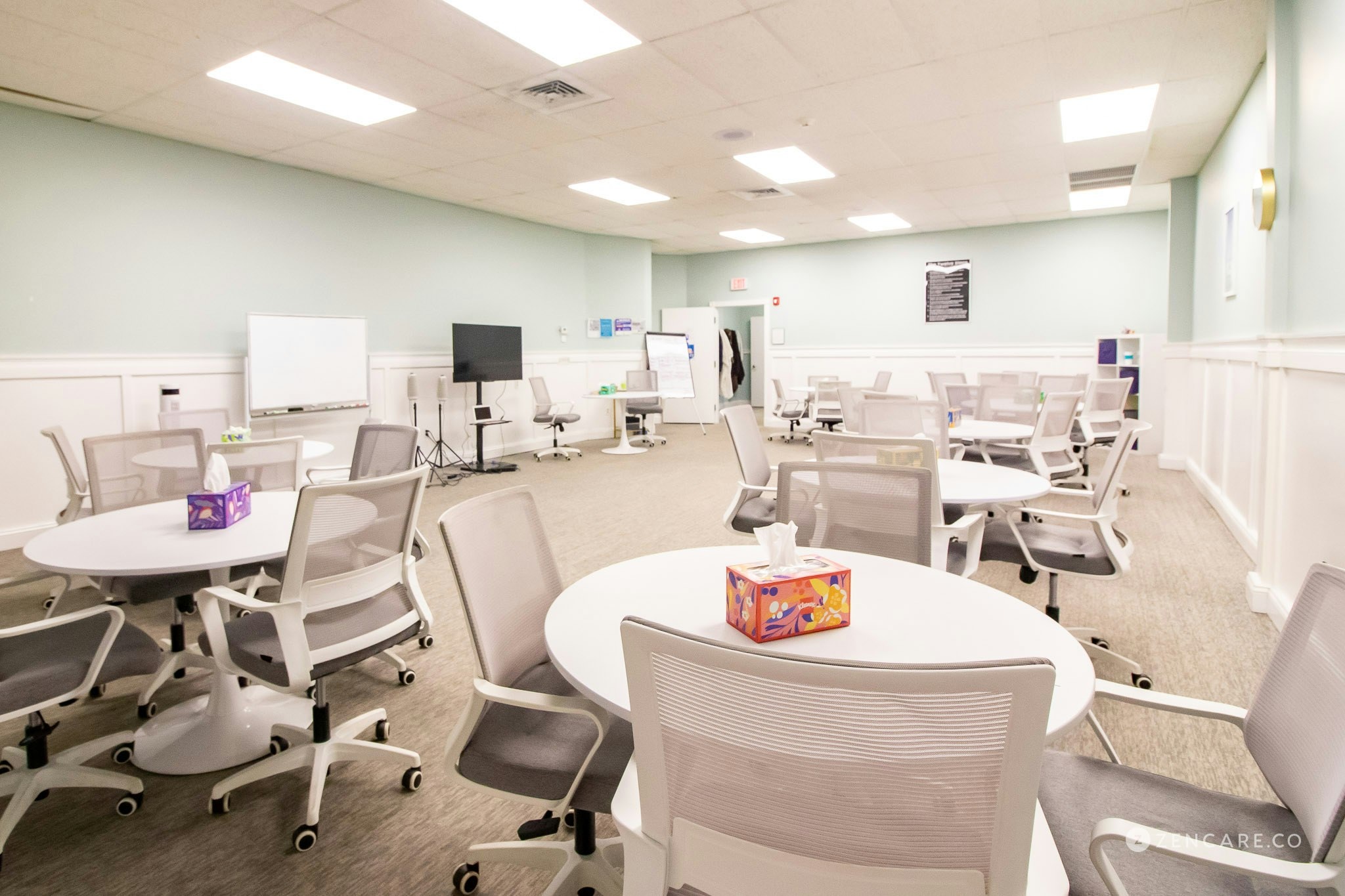
Northstar Recovery Center
Why Does Dual Diagnosis Treatment Work?
Whole-Person Healing
You’re not just your addiction or your mental health condition—you’re a complex individual with a full story. Our program supports you as a whole person, offering trauma-informed, compassionate care.Better Outcomes
Research shows that integrated treatment leads to better recovery outcomes than treating each issue separately, including lower relapse rates. Our clinicians collaborate to deliver a personalized, coordinated plan.Real-Life Tools
We teach practical skills for managing stress, emotions, and triggers—tools you can use outside the clinic, in real life.Flexible Scheduling
Treatment works around your life, with morning, afternoon, and evening sessions available in-person or virtually.Get Help With Recovery Costs
Most Major Insurances Accepted
We are in-network with major insurance providers and accept most plans. Fill out the form on the right for a no obligation benefit verification. We’ll help you understand exactly what (if any) out of pocket costs will be. If we don’t accept your insurance, we work closely with facilities who do and will recommend the best treatment option for your insurance coverage.


Experts in Dual Diagnosis Treatment
What to Expect with Northstar’s Dual Diagnosis Programs in Massachusetts
Our dual diagnosis programs in Massachusetts are offered through both our Intensive Outpatient Program (IOP) and Day Treatment (PHP) levels of care, depending on your clinical needs.
You’ll receive:
- Individual therapy with licensed clinicians trained in co-occurring disorders
- Group therapy focused on emotional regulation, relapse prevention, and trauma recovery
- Psychoeducation on how mental health and addiction interact
- Medication management and psychiatric support
- Holistic services like mindfulness, yoga, and lifestyle coaching
- Family therapy and peer recovery support
- Access to 12 Step programming and sober support communities
- A trauma-informed, inclusive, and nonjudgmental space
Northstar Recovery Center
Why Does Dual Diagnosis Treatment Work?
Motivational Interviewing
Individuals often have intense internal conflicts when deciding to reverse their dangerous behaviors. One scientifically-proven therapy option is motivational interviewing. Therapists don’t try to convince patients to stop abusing substances. Instead, patients explore their life goals and core values. They use these values to determine if using substances aligns with their notion of a healthy, positive life.Mindfulness
Mindfulness means noticing things that are taken for granted or usually ignored. Mindfulness treatment means accepting an uncomfortable situation instead of wishing things were different. This treatment method also shows individuals how to notice their feelings. It also shows them how to accept their thoughts without judgment. Mindfulness treatment is effective in treating impulsivity and depression. It also treats stress that can lead to addictive behaviors.Trauma-Informed Therapy
Patients with PTSD experienced trauma or violence in their life. They use substances to ease their painful memory. Trauma-informed therapeutic approaches emphasize emotional and physical safety. It helps patients confront these feelings and regain their sense of control.12-Step
The 12-step therapeutic approach uses certain guiding principles. These principles include self-awareness, compassion, acceptance, and achievement. Patients meet in group therapy to send and receive support throughout their recovery. The path to turning a life of misuse around involves 12 steps. The first step starts with patients recognizing their powerlessness over substances. The last step addresses the individual’s “spiritual awakening.” They also promise to practice the program’s principles every day.Learn More
Common Examples of Dual Diagnosis
Common examples of co-occurring disorders in addiction cases include the following:
- Bipolar Disorder: About 50 percent of substance misuse patients struggle with a bipolar disorder. Many times, these patients choose to self-medicate. Drugs or alcohol often provide temporary relief from any emotional situations or manic episodes.
- Depression: About 1 in 10 US adults report they suffer from depression. Some patients diagnosed with depression try to self-medicate with drugs or alcohol. Those patients with pre-existing depression will suffer again once their high is done.
- Borderline Personality Disorder (BPD): A borderline personality disorder and addiction often take place at the same time. More than two-thirds of patients with BPD misuse substances. This misuse takes place off and on throughout their lifetime.
- Eating Disorder: Eating disorders often stem from strong feelings of inferiority. Using a drug that suppresses an appetite is common among patients with this disorder.
- Attention-Deficit Disorder (ADD): Individuals with attention-deficit disorder (ADD) often misuse substances to control their symptoms. Many patients will take a stimulant to treat ADD. Unfortunately, these stimulants are habit-forming. They can lead to a toxic pattern of substance misuse.
- Post-traumatic Stress Disorder (PTSD): Individuals with post-traumatic stress disorder (PTSD) have brains that produce fewer endorphins. Endorphins produce “feel good” transmissions. This means the individual is more likely to use drugs or alcohol to feel secure.
- Schizophrenia: Schizophrenia is typified by hallucinations and delusional thinking. Diagnosing addiction and schizophrenia is difficult because these conditions have common, overlapping symptoms.
Our Testimonials
Check Out What People Are Saying
Northstar Recovery Center is equipped with a wonderful team who truly cares. Feeling welcome, safe, and supported while receiving help for addiction is crucial, and Northstar does it all and more! Northstar encourages family involvement and offers individualized treatment specific to each client who walks through the door. They truly go above and beyond.
The team at Northstar helped me dig out of one of the worst times of my life. The life skills I learned here will stay with me forever. From the owners to the therapists + recovery specialists everyone here is extremely knowledgeable and professional. Special shoutout to my therapist Karen who was kind, understanding and proactive in helping me with my recovery!
From the first time I walked into Northstar I was greeted by many smiling faces. Those faces turned into confidants that have made my sobriety successful. Each and every staff members priority is the well being of their clients. The past 6 weeks, I have learned so much about my allergy (alcohol) and coping skills on how to remain sober for today and tomorrow. I highly recommend Northstar Recovery.
Northstar is an excellent environment for our loved ones who are seeking help with addiction. The entire staff is caring, kind and very helpful. They go well beyond what is expected to help each person. I give NorthStar at least 5 stars.
Northstar has truly been a godsend. The staff is super friendly and takes time to learn everyone's name. They say good morning and make you feel welcomed. The groups are fantastic. They also offer yoga and sound healing groups. They explore different styles of recovery so that everyone can find what works for them. I highly recommend them to anyone looking for help. There is a path to recovery and they will help you find yours.
 5.0Top Rated Serviceverified by TrustindexTrustindex verifies that the company has a review score above 4.5, based on reviews collected on Google over the past 12 months, qualifying it to receive the Top Rated Certificate.

Begin Your Journey Today
Dual Diagnosis In Massachusetts—We’re Here When You’re Ready
Co-occurring disorders don’t have to be a life sentence. With Northstar Recovery Center’s Dual Diagnosis programs, you’ll find the right support, community, and healing to face the world and thrive. Whether you’re reaching out for yourself or someone you care about, we’re ready to help.
Call us today at (833) 638-1342 or fill out our confidential form to schedule a free, no-pressure consultation.