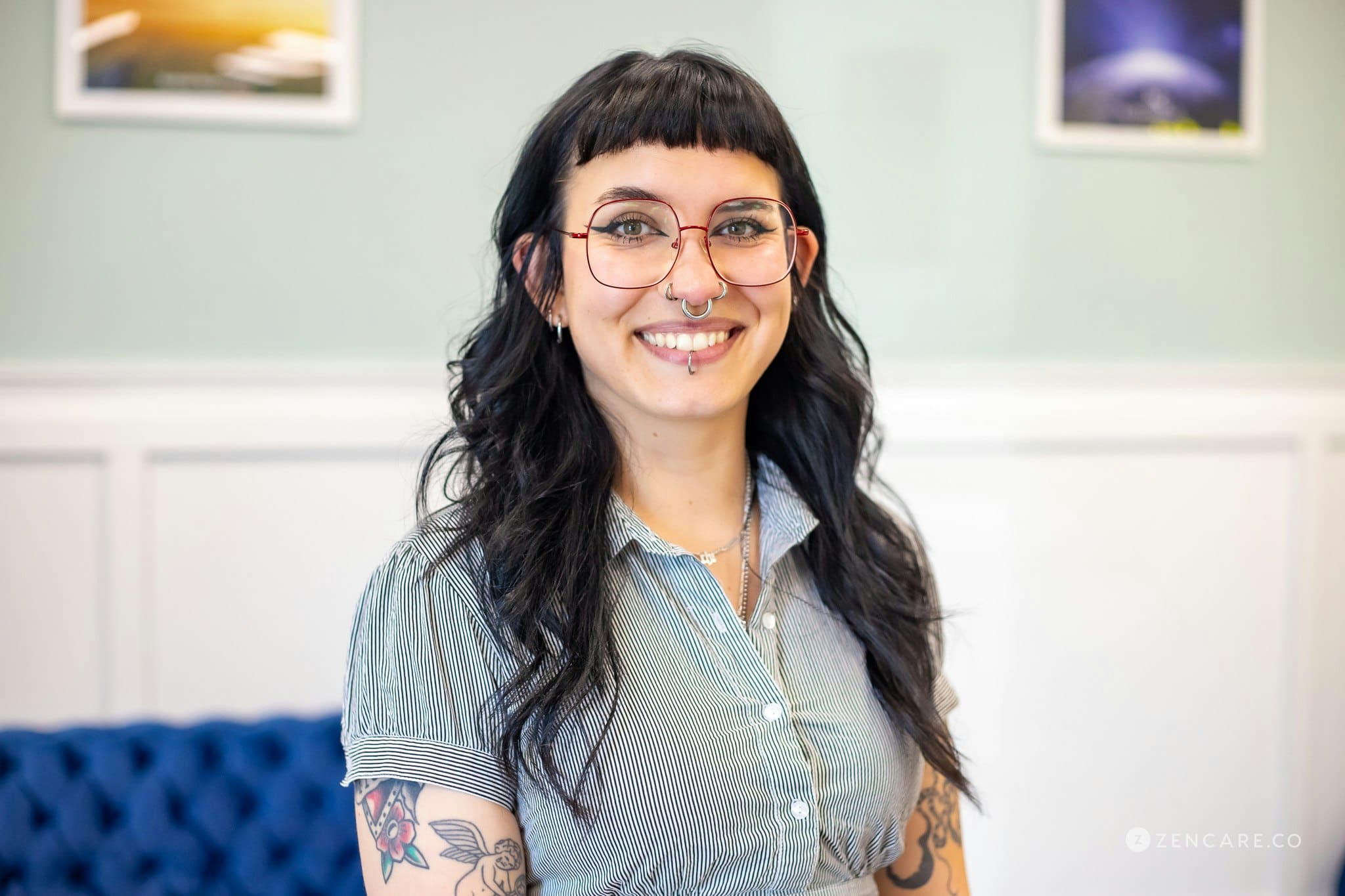
This is the personal recovery journey of Northstar Behavioral Health Technician, Chaia, who is also an alumnus of the program. If you or someone you love are experiencing suicidal thoughts or are in crisis, please call or text 988 immediately.
—————

When I was younger, I never felt comfortable in my skin. Clothing didn’t feel right and I felt as though I did not fit in with any of my peers.
When I discovered alcohol at thirteen, everything started to change. I felt that I could fit in with a crowd and I started to gain confidence. I felt pretty and I felt seen.
From age fourteen, drugs and alcohol guided my life. I knew that as soon as I was under the influence of a substance, I would be able to play the part and fit into the boxes that my peers laid out for me. When I could not fit into these boxes, I spiraled. There were multiple suicide attempts and constant acts of self harm.

A Desire for Acceptance
It wasn’t until I was twenty-one years old that I realized I was not straight like I thought I was. I began to develop friendships with other queer people that made me feel as safe as the substances did. I started to feel comfortable in my skin and was able to express myself in ways that I did not know were possible growing up.
It was then I learned what being nonbinary meant- I did not have to fit into the box of woman or man. This scared me a lot because I did not know how others would perceive me. My biggest fears were always the classic- not being good enough, being unworthy, not being loveable, and being unsafe. Realizing I was nonbinary began to heighten my fears. I always wanted to be accepted.
An Introduction to Recovery
When I was twenty-five years old and my mental health had hit rock bottom, I reached out to Northstar Recovery Center for help. I needed help with my PTSD and I had no idea that I was an alcoholic or an addict. I started the IOP program and was abstinent from substances because they told me I should be. I was so desperate to change that I was willing to listen to (almost) anything these professionals told me. I somehow began to acquire weeks and months of time not using substances.
At almost six-months sober, I started to take a 12 Step program seriously. I started to feel my fears again because I kept hearing “women with women and men with men.” Where did I fit in? Who could help me?
Little by slow, I started to find some queer people within my program. I joined a women’s meeting and played the part as a woman, as I had done most of my life. I felt like I was taking steps backwards even though I was in a position to better myself. I frequently felt very confused.
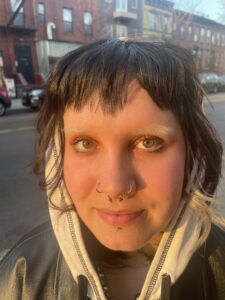
Building my Community
I started to tell a few people that I identified as nonbinary, and I was shocked at how accepting most people were. What they say is true- as long as you are in the program to get sober, not many people will care about who you are.
This went well for a while, but I still occasionally felt as though I did not have a safe space to be who I was. I opened up to a friend about my fears and worries, and we decided to start an LGBTQIA+ 12 Step meeting.
The first couple of months were slow, but then it happened. We had created a safe space where anyone could show up without fear of judgement. The meeting became a place where others who once felt misunderstood felt like they belonged. I started to notice my fears slip away. I felt good enough, I felt worthy, I felt lovable, and most importantly I felt safe and accepted.
Now, at twenty-seven years old and two and a half-years sober, I feel as though I have a place in the recovery world. I work full time in recovery and thrive on helping others, especially queer folks, find their place in recovery. I do not believe as a queer person you need to stick to one gender to help; as long as your intentions are recovery focused, you can find a safe place in anyone. I never expected one of my go-to people in my program to be a sixty-something year old queer gentleman.
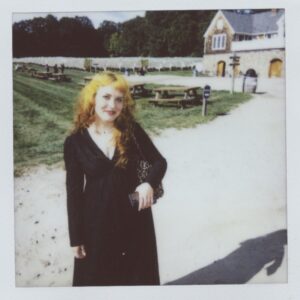
Today
I am grateful that today I can show up and be my authentic self. I do not stress about how others view me, because I know I am enough. I never thought I would experience the comfort of being myself- dare I even say loving myself.
So if you’re queer and questioning what to do about your recovery, just know there is always a place for you. It might take some push to find it, but it is worth all of the time and effort. You deserve a place to feel safe and show up in a way that makes you feel like yourself. I would not have known how to even begin my recovery process if I did not have my clinician and the other staff at Northstar (who are now my coworkers)! I will always remember a staff member telling me “get comfortable with being uncomfortable,” and I am so glad I did.
If I can do it, you can do it.
Best,
Chaia