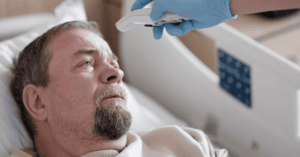
Surviving an overdose is a second chance, but it can also be a warning. What happens after an overdose can determine someone’s future.
A nonfatal overdose should be a wake-up call. Tragically, for those who are deep in active addiction, that sometimes isn’t the case. Feelings of guilt and shame return, and the easiest way to escape those feelings is a return to using. But there’s a window after surviving an overdose where someone’s willingness to get help can be leveraged into recovery.
Massachusetts has made significant progress in reducing fatal overdoses. Preliminary state data estimate that opioid-related overdose deaths fell another 27% in 2025, dropping below 1,000 for the first time in more than a decade. That progress matters, but it does not make an individual overdose any less serious.
For someone struggling with substance use, an overdose may be the clearest warning yet that something needs to change. For their family, it can be an opportunity to move beyond simply surviving the latest crisis and start addressing the problem behind it.
What to Do After an Overdose
If an overdose is happening now or is suspected, call 911 immediately. For a suspected opioid overdose, naloxone (Narcan) can temporarily reverse the effects of opioids such as fentanyl and heroin when administered in time. Emergency medical attention is still necessary.
Once someone has been medically stabilized, the next step should be looking at why the overdose happened and what can prevent another one. The goal is not to assign blame. It is to determine whether this was an isolated event or part of a larger substance use problem that requires treatment.
Surviving Once Does Not Mean You’ll Survive Again
A nonfatal overdose is itself a significant risk factor for another overdose. CDC research has found that people who experience a nonfatal fentanyl-related overdose are at increased risk of a future fatal overdose, making the period afterward an important opportunity to connect someone with addiction treatment and recovery support.
Today’s illicit drug supply also makes it increasingly difficult to know exactly what someone is taking. In May 2026, the DEA warned that fentanyl is being found alongside substances including nitazenes, xylazine and medetomidine. Some are extremely potent, while others are not opioids at all and may not respond completely to naloxone.
That uncertainty makes continuing to use after an overdose especially dangerous. A person may intend to take the same drug or amount they have used before and still encounter something very different.
An Overdose Can Be a Window of Willingness
People struggling with addiction often spend a long time believing they can get things under control on their own. They may cut back temporarily, switch substances, promise themselves they will stop after a certain date or convince themselves that the last close call will never happen again.
An overdose can interrupt that thinking.
Fear, hospitalization and seeing the impact on loved ones may create a brief period when someone is more willing to consider help than they were before. Families do not have to wait for another overdose, arrest, lost job or medical emergency before encouraging treatment.
The important thing is to use that moment constructively. Instead of focusing only on promises to “never do it again,” focus on what will actually be different this time.
Getting Treatment After an Overdose
Some people resist treatment because they picture disappearing into a residential facility and putting the rest of their life on hold. Depending on a person’s medical and clinical needs, there may be other options.
After detox or medical stabilization, structured outpatient treatment can provide therapy, accountability, psychiatric support, medication for opioid use disorder when appropriate, relapse-prevention planning and connection with other people in recovery. Programs may also allow someone to continue living at home and, depending on the schedule, maintain many work and family responsibilities.
The appropriate level of care should be based on a clinical assessment rather than convenience alone. But an overdose does not automatically mean there is only one path forward.
Don’t Waste the Second Chance
If you or someone you love recently survived an overdose, you do not have to wait for things to get worse before asking for help. Northstar Recovery Center provides substance use treatment in Massachusetts with in-person and virtual options designed to help people build stability, address the reasons they use and move forward in recovery.
One conversation can be the beginning of something different. Contact Northstar Recovery Center today to discuss treatment options.