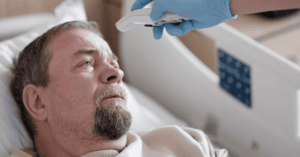
Drug and alcohol testing is a common tool used by employers, law enforcement, treatment centers, and even concerned family members. For anyone navigating recovery, facing legal obligations, or simply trying to stay accountable, these tests can be a regular part of life. But as testing becomes more frequent and more accurate, a question that comes up is: Can you beat a drug or alcohol test? And beyond that, should you even try?
The short answers? Sometimes, but not reliably—and no, you definitely shouldn’t.
Let’s take a deeper look into what drug and alcohol screening is, how it works, whether it can be fooled, and why honesty and commitment to recovery will always be the better route.
How Drug and Alcohol Testing Works
Drug and alcohol tests come in many forms, each designed to detect different substances in different ways. The most common types of testing include:
- Urine Tests: Probably the most widely used, urine tests can detect recent drug use, often within days of consumption. They’re cost-effective and relatively easy to administer.
- Breath Tests: Most commonly used to detect alcohol, these tests measure blood alcohol content (BAC) through the breath. They’re often used during roadside stops or in treatment settings.
- Hair Tests: These can detect drug use up to 90 days or more. They’re harder to cheat, since the substance is detected within the hair shaft.
- Saliva Tests: Becoming more popular in workplaces, saliva tests can detect very recent use (within a few hours to a couple of days).
- Blood Tests: The most accurate but also the most invasive and expensive. These are usually used in medical or legal settings.
Each method has its own strengths and weaknesses, but modern advancements in science have made all of them more reliable and harder to tamper with than ever before.
Is It Possible to Beat a Drug Test?
If you search the internet, you’ll find all kinds of so-called “hacks” to beat a drug test. From drinking gallons of water, taking detox pills, using synthetic urine, or even swapping out samples, there’s no shortage of tricks being sold to people hoping to avoid a positive result. Some might even work—temporarily, and under perfect conditions. But that’s a big “if.”
Detox drinks may dilute your urine, but labs have adapted to detect unnatural creatinine levels, altered pH, or other red flags. Swapping samples might seem easy, but supervised testing, temperature checks, and security protocols make it a serious risk. Even time-based avoidance strategies (like trying to wait out the detection window) are unreliable because everyone metabolizes substances differently.
Hair and blood tests are even harder to fool. Substances remain in the hair long after use, and no shampoo or treatment reliably strips the evidence. Blood tests, being direct and lab-controlled, leave little room for tampering.
In short, while it might be possible in rare cases to manipulate results, it’s not consistent, it’s not safe, and most importantly, it’s not a solution.
Why You Shouldn’t Try to Cheat a Drug Test
Attempting to beat a drug or alcohol test might seem like a short-term fix, especially if you’re afraid of the consequences—losing a job, facing legal issues, or disappointing loved ones. But the act of cheating a test usually causes more harm than good, and it sends a powerful message about where your priorities currently lie.
Here’s why trying to beat a test is a mistake:
1. It undermines your recovery. If you’re in treatment or actively working toward sobriety, dishonesty becomes a barrier. Recovery is rooted in accountability, trust, and personal responsibility. Cheating a test isn’t just lying to others, it’s lying to yourself.
2. The consequences are worse if you get caught. Many testing systems are designed with checks to detect tampering. If you’re caught trying to cheat, the penalties can be harsher than if you’d just tested positive. That could mean legal charges, job termination, or removal from a recovery program.
3. It delays the help you might actually need. A failed test can be a wake-up call. It’s not the end of the world. It can be a sign that something in your life or recovery plan needs adjustment. But avoiding that reality through deception only prolongs the struggle.
4. You stay stuck in the cycle. Trying to game the system is part of the same mindset that fuels addiction. Seeking shortcuts, avoiding consequences, and living in fear of being found out is horrible for the psyche. Recovery, on the other hand, is about embracing honesty, growth, and long-term change.
A Better Approach: Owning Your Journey
Drug and alcohol screening is not meant to punish. It’s meant to protect. For employers, it ensures safety and productivity. For addiction treatment providers and courts, it provides a measure of accountability. And for individuals in recovery, it can serve as an external motivator to stay clean and a tool to track progress.
Instead of focusing energy on ways to avoid detection, imagine redirecting that energy toward healing, learning, and building a stronger foundation. If you slip, own it. Speak to your support system, your therapist, or your sponsor. Ask what might have led to the relapse and how to prevent it in the future.
Sobriety is a journey with setbacks for many. A positive test doesn’t make you a failure. But trying to cover it up can.
Progress. Not Perfection.
Drug and alcohol testing is a reality for many people, especially those in recovery, under probation, or working in sensitive environments. While it may be possible in isolated cases to cheat a test, doing so is a gamble with high stakes. The physical, emotional, and relational risks are simply not worth it.
Recovery isn’t about perfection—it’s about progress. If you’ve made mistakes, you’re not alone. If you’ve relapsed, it doesn’t define you. But if you want to move forward, the first step is being honest about where you are.
Rather than looking for a way out, look inward. Ask what you need. Reach out for support. And most importantly, believe that the life you’re working toward is worth facing the truth for.
If you or someone you know is struggling with drugs or alcohol, Northstar Recovery Center is here to help 24/7. Call us at 888-339-5756 today.